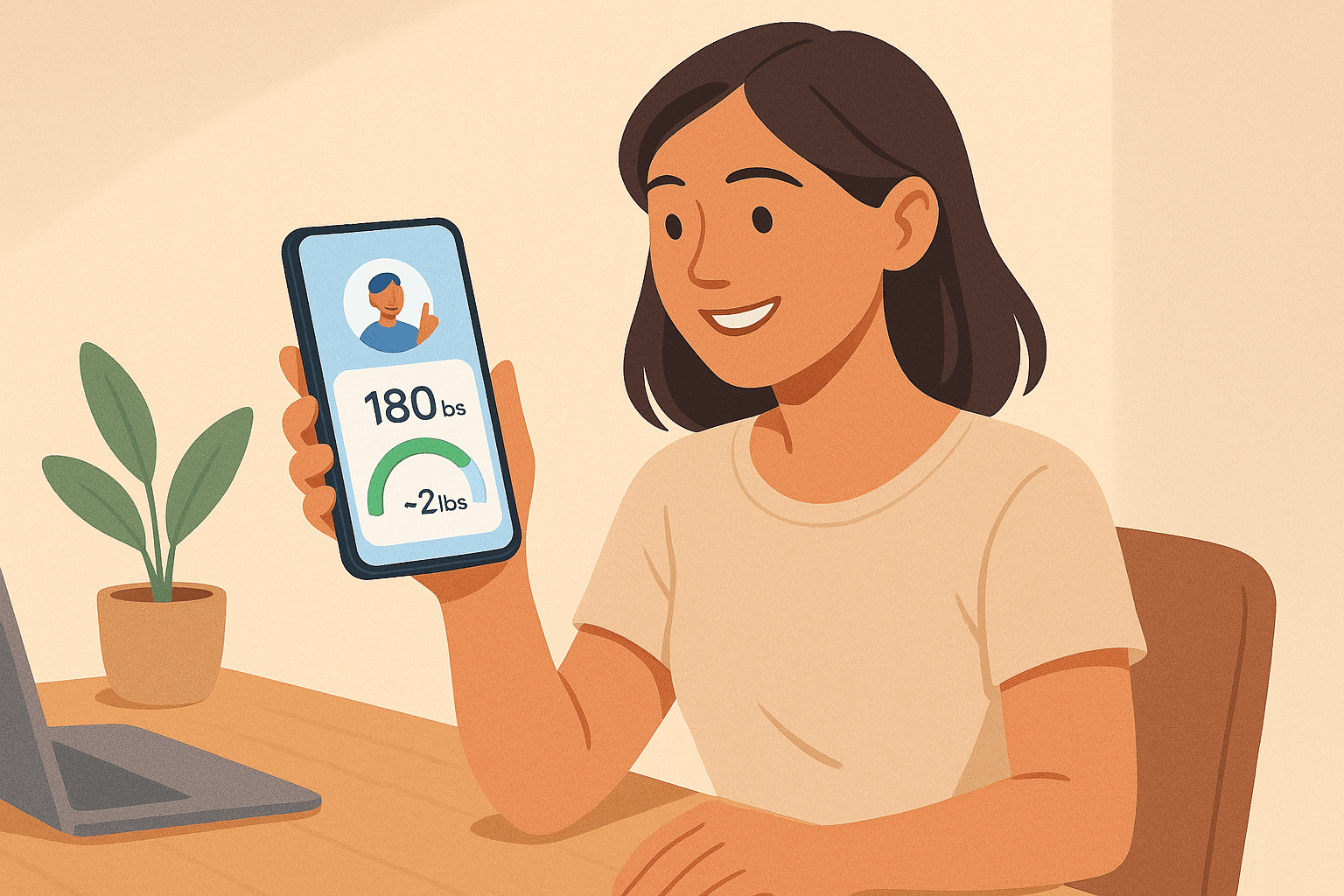
Why Accountability Is the Missing Piece in Your Weight Loss Journey
Accountability can double your chances of weight loss success. Studies show that consistent tracking, support systems, and clear goals are key to staying on track. Here’s how accountability simplifies weight loss:
- Daily Tracking: Log meals, exercise, and progress to stay aware of habits.
- Support Network: Friends, groups, or online communities keep you motivated.
- Clear Goals: Set realistic, measurable targets with deadlines.
- AI Tools: Use AI for daily check-ins, progress updates, and tailored advice.
Start by tracking your habits, building a support system, and using tools like AI coaching to stay consistent. Accountability turns intentions into results.
Why You Need Accountability To Reach Your Weight Loss ...
What is Weight Loss Accountability?
Weight loss accountability means taking responsibility for your daily decisions and tracking your progress toward health goals. It's about committing to monitor your actions, measure results, and regularly connect with a support system. This approach helps establish habits that stick.
Defining Accountability for Weight Loss Success
Accountability in weight loss isn't just about tracking numbers - it's about creating a system that drives consistent progress. Marielle Mangano, RD, CDN, defines accountability as "an obligation or willingness to accept responsibility for one's actions". This involves:
- Recognizing both achievements and setbacks
- Taking ownership of food choices
- Following through on exercise plans
- Keeping track of progress
- Being truthful about habits
"Accountability isn't just a buzzword; it's the powerhouse that keeps you glued to your goals when the initial excitement wears off."
With a solid structure in place, accountability helps turn good intentions into lasting habits.
How Accountability Builds Better Habits
Accountability turns vague goals into actionable steps by combining tracking tools with regular reviews. Here's how it works:
| Accountability Method | Purpose | Impact |
|---|---|---|
| Daily Food Logging | Monitor eating habits | Increases awareness of food choices |
| Regular Weigh-ins | Track progress trends | Encourages consistency in routines |
| Workout Tracking | Record exercise efforts | Strengthens commitment to staying active |
| Progress Photos | Show visual progress | Offers clear evidence of change |
Justin Ochoa highlights this concept: "Accountability is an influential piece of the puzzle when it comes to success as an individual, company or team. Without it, things become unorganized, quality suffers or you simply do not get anything accomplished".
The power of accountability lies in its ability to:
- Reinforce your purpose and commitment
- Provide measurable feedback on your progress
- Create a structured approach to healthy habits
- Build resilience during tough times
- Develop self-discipline through consistent tracking
For example, logging your daily steps keeps you aware of your activity levels, while food logs help identify eating patterns. Together, these methods form a system that supports long-term health and fitness goals.
Top Obstacles to Staying Accountable
Staying accountable during a weight loss journey can be tough. Recognizing common challenges can help you create solutions that fit your approach.
Missing Support Network
Social support is key to maintaining healthy habits. Research involving 386 middle-aged and older adults found that those with a support system made better food choices, like eating more fruits and vegetables and drinking more water.
Dr. Elizabeth Simkus, medical director at the Rush Prevention Center, emphasizes the importance of this:
"We are more likely to sustain lifestyle changes if we surround ourselves with people [who have] a similar journey and interests".
Without a support network, you may face:
| Challenge | Effect on Weight Loss | Solution |
|---|---|---|
| Solo Decision-Making | Poor food choices | Find an accountability partner |
| Limited Feedback | Harder to track progress | Join group fitness classes |
| Isolated Journey | Greater chance of giving up | Engage in weight loss communities |
Poor Progress Tracking
Not monitoring your efforts can hurt your progress. Studies show a clear link between consistent tracking and successful weight loss. For example, tracking food on:
- 28.5% of days can lead to ≥3% weight loss,
- 39.4% of days can result in ≥5% weight loss,
- 67.1% of days can achieve ≥10% weight loss.
"Perfect food-tracking adherence is not necessary to achieve clinically significant weight loss".
Fading Motivation
Motivation often dwindles as time goes on. Several factors contribute to this:
- Unrealistic Expectations: Setting goals that are too ambitious can lead to frustration.
- Inconsistent Results: Issues like poor sleep can disrupt metabolism, increase hunger, and sap energy.
- Lack of Structure: Without clear tasks, sticking to your plan becomes harder.
A study of 704 participants in a 15-week online weight loss program found that those with peer support saw better results compared to those going it alone.
"Accountability partners help you work through progress and challenges and celebrate successes to increase adherence to healthy behaviors to help you achieve your set goals".
Addressing these challenges can make it easier to stay on track with your weight loss goals.
sbb-itb-09f2e92
5 Ways to Build Strong Accountability
Staying accountable in your weight loss journey doesn't have to be complicated. Here are some practical strategies to keep you focused and motivated.
Building Your Support Team
Having a reliable support system can make a big difference in reaching your goals. Studies show that being surrounded by like-minded individuals can help you stick to healthier habits.
Here’s a breakdown of how to create your support team:
| Support Type | Benefits | How to Get Started |
|---|---|---|
| Family & Friends | Encouragement and shared meals | Plan weekly check-ins |
| Wellness Groups | Structured guidance and shared tips | Join a local fitness class |
| Online Communities | Round-the-clock support and advice | Join Facebook or Reddit groups |
| Professional Support | Expert advice and tailored plans | Sign up for a coaching program |
Pick people who are dedicated to supporting your journey. Once your team is in place, the next step is to focus on tracking your progress.
Effective Progress Tracking Methods
Tracking your progress consistently can improve your weight loss results. Focus on these key areas:
-
Daily Food Journal: Keep detailed records of your meals, including:
- Portion sizes
- Meal timing
- Hunger levels
- Emotional state during eating
-
Physical Measurements: Check in weekly with:
- Body measurements
- Weight trends
- Progress photos
- Fitness milestones
-
Lifestyle Factors: Monitor daily habits like:
- Water intake
- Sleep quality
- Step count
- Exercise duration
Regular tracking helps you identify patterns and adjust your approach as needed.
Creating Achievable Goals
Setting clear, measurable goals is essential for staying on track. Here’s how to break them down:
| Timeframe | Goal Type | Example | Tracking Method |
|---|---|---|---|
| Daily | Habit-based | 30 minutes of activity | Activity log |
| Weekly | Progress | Complete 3 strength workouts | Workout journal |
| Monthly | Milestone | Reduce waist size by 1 inch | Body measurements |
"Accountability partners help you work through progress and challenges and celebrate successes to increase adherence to healthy behaviors to help you achieve your set goals".
AI Coaching and Daily Accountability
Let’s take a closer look at how AI coaching can support your weight loss journey by keeping you on track every day.
How AI Provides Personal Support
AI-powered tools offer consistent, tailored guidance to help you stay accountable. Studies show that daily accountability can double weight loss success rates through regular tracking.
Here’s how AI coaching helps keep you on course:
| Feature | Benefit | Impact on Weight Loss |
|---|---|---|
| Daily Check-ins | Regular monitoring | Keeps you focused on your goals |
| Immediate Support | Instant feedback | Prevents backslides and keeps momentum |
| Personalized Tracking | Clear progress updates | Encourages steady improvement |
| Dynamic Goal Setting | Adjusts as you progress | Keeps challenges engaging |
AI coaching shines because it provides constant support by analyzing your daily inputs - like meals, activities, and obstacles - to offer actionable advice. This continuous feedback loop makes it easier to stay on track compared to traditional methods.
AI vs Standard Accountability Methods
Traditional accountability methods can work, but AI coaching takes it a step further by integrating advanced tools that simplify the process:
- Automated Progress Tracking: AI ensures accurate and hassle-free monitoring of your progress.
- Pattern Recognition: It spots trends in your behavior, offering proactive recommendations to avoid setbacks.
- 24/7 Availability: Unlike human coaches or apps, AI is always ready to assist.
AI coaching combines everything you need - meal tracking, exercise logging, and progress monitoring - into a single system. This unified approach makes staying accountable less overwhelming and easier to maintain.
With an AI coach, you can track these key elements:
| Element | Frequency | Purpose |
|---|---|---|
| Weight | Weekly | Identify long-term trends |
| Food | Daily | Keep portions and nutrition in check |
| Activity | Continuous | Ensure you meet movement goals |
| Sleep | Daily | Support recovery and healthy habits |
Conclusion: Start Your Accountability Journey
Let's wrap up by highlighting the key takeaways and providing actionable steps to kick off your journey toward consistent progress.
Key Points Recap
Here are the essential elements that, when combined with AI coaching, can help you stay on track:
- Daily Tracking
- Regular Check-ins
- Progress Measurements
- Support System
These elements work together to create a strong framework for long-term success.
Steps to Begin Your Accountability Journey
Ready to get started? Follow these steps:
1. Lay the Groundwork
Define clear, measurable tasks that directly support your weight loss goals. For example, replace vague plans like "eat healthier" with specific actions such as logging every meal or committing to a 30-minute walk each day.
2. Set Up a Tracking System
Develop a straightforward plan to monitor your progress:
- Log meals, steps, and body measurements daily
- Schedule weekly weigh-ins
- Take progress photos regularly
"What gets measured gets managed"
3. Create a Support Network
Use AI tools for check-ins and surround yourself with a dependable support system, whether that's friends, family, or a dedicated team.
To make accountability a habit, try these tips:
- Schedule regular check-ins
- Use reminders for tracking and measurements
- Keep a journal to reflect on lessons learned
- Celebrate small wins along the way
- Adjust your goals as you progress
FAQs
How can I create a strong support system to stay accountable during my weight loss journey?
Building a reliable support system is key to staying motivated and consistent with your weight loss goals. Start by surrounding yourself with people who encourage and share your commitment to healthier habits. This could include workout buddies, family members, or friends who keep you motivated and celebrate your progress.
You can also partner with someone you trust to act as an accountability buddy - someone you regularly check in with to share updates, challenges, and wins. For professional guidance, consider working with a registered dietitian, personal trainer, or health coach who can provide tailored advice and keep you on track.
Remember, accountability can also come from tools like tracking apps or AI-driven coaching platforms that help you monitor your progress and stay consistent with your goals.
What are the best ways to track your progress during a weight loss journey?
Tracking your progress is a key part of staying motivated and accountable in your weight loss journey. Some effective methods include:
- Keeping a food journal: Writing down what you eat helps you stay mindful of your choices and identify patterns that may need adjustment.
- Tracking physical activity: Use a step counter or fitness tracker to monitor your daily movement and set achievable activity goals.
- Measuring body changes: Regularly take body measurements (like waist or hips) to notice progress that might not show on the scale.
- Using habit trackers: These can help you build consistency by visually tracking behaviors like drinking water, exercising, or meal prepping.
By combining these tools, you can create a personalized system that keeps you focused and on track to achieve your goals.
How does AI coaching improve accountability in your weight loss journey?
AI coaching enhances accountability by providing personalized, consistent, and real-time support that adapts to your unique needs. Unlike traditional methods that may rely on occasional check-ins or generalized advice, AI-driven tools offer daily guidance, reminders, and progress tracking to keep you focused and motivated.
With features like tailored feedback, actionable insights, and 24/7 availability, AI coaching ensures you stay on track even during challenging moments. It creates a sense of responsibility by monitoring your progress and celebrating milestones, making it easier to stay committed to your weight loss goals.