
How Cognitive Behavioral Strategies Help Weight Loss
Want to lose weight and keep it off? Cognitive Behavioral Therapy (CBT) can help you change your mindset, tackle emotional eating, and build lasting habits.
CBT focuses on how your thoughts, emotions, and actions are connected. By identifying negative thought patterns, managing emotional triggers, and developing realistic goals, you can create a sustainable approach to weight loss.
Key Takeaways:
- Reframe Negative Thoughts: Challenge "all-or-nothing" thinking like "I ate a cookie, so my diet is ruined" and replace it with realistic perspectives.
- Handle Emotional Eating: Identify triggers (e.g., stress or boredom) and replace eating with healthier actions like walking or deep breathing.
- Build Lasting Habits: Use SMART goals (specific, measurable, achievable, relevant, time-bound) to track progress and stay consistent.
- Learn from Setbacks: Treat mistakes as learning opportunities, not failures, and focus on getting back on track.
Daily support, like Ember’s AI-powered check-ins, can help you stay accountable, manage challenges, and reinforce positive behaviors for long-term success.
CBT Basics for Weight Loss
What is CBT?
Cognitive Behavioral Therapy (CBT) explores how your thoughts, emotions, and actions are all connected. When it comes to weight loss, CBT helps you spot the thought patterns that lead to unhealthy eating and teaches you how to replace them with more productive ones.
Think of it as a three-part system:
- Thoughts: What you believe or tell yourself about food, exercise, and body image
- Feelings: The emotions triggered by those thoughts
- Actions: The behaviors that follow those feelings and thoughts
For instance, if you think, "I ate a cookie, so my diet is ruined", that thought might create guilt or frustration, which could lead to binge eating. CBT works by helping you challenge these automatic, unhelpful thoughts.
These principles provide the foundation for using CBT in your weight loss efforts.
Using CBT for Weight Loss
CBT gives you practical tools to reshape your weight loss approach. Here's how you can use it:
- Identify Triggers: Pay attention to situations that lead to overeating, like working late or dealing with stress.
- Challenge Negative Patterns: Spot self-defeating thoughts and replace them with more constructive ones that encourage positive actions.
- Develop New Responses: Use CBT techniques to respond differently to emotional eating triggers. For example, instead of reaching for snacks when stressed, try a 10-minute walk, deep breathing, calling a friend, or other stress-management strategies.
Ember's daily AI coaching complements these methods by tracking your thoughts, identifying triggers, and helping you practice healthier coping strategies. By addressing both your mindset and behaviors, CBT helps you build habits that stick.
CBT for Weight Loss, Guilt Free Way to Lose Weight!
Fixing Negative Thoughts
Your mind can sometimes get in the way of your weight loss journey by falling into patterns like all-or-nothing thinking, catastrophizing, or emotional reasoning. These thought traps can make progress feel impossible, even when it's not.
Common Thought Traps
All-or-Nothing Thinking
- One small indulgence feels like it ruins all progress.
- "If I can't exercise for an hour, I might as well skip it entirely."
- "If I don’t stick to my diet perfectly, I’m a total failure."
Catastrophizing
- "I gained 2 pounds this week - I'll never hit my goal."
- "Missing one workout means I’ve lost all my progress."
- "Everyone at the gym will judge me."
Emotional Reasoning
- "I feel hungry, so I must need to eat right now."
- "I’m too tired, so there’s no way I can exercise today."
- "I feel discouraged, so this plan must not be working."
How to Change Negative Thoughts
You can challenge and change these unhelpful thoughts using proven CBT techniques:
1. Question Your Thoughts
Take a closer look at the evidence behind your negative thoughts. For example, if you think, "I'll never lose weight", ask yourself:
- What actual proof supports this thought?
- Is there evidence that contradicts it?
- Have I succeeded in losing weight in the past?
2. Replace Extremes with Realism
Shift your thinking from black-and-white to something more balanced.
Instead of: "I ate badly at lunch, so my whole day is ruined."
Try: "One meal doesn’t define my day. I can make healthier choices at dinner."
3. Use the STOP Technique
When negative thoughts pop up, try this simple method:
- Stop what you’re doing.
- Take a deep breath and step back.
- Observe your thoughts without judgment.
- Proceed mindfully with your next action.
4. Practice Self-Compassion
Talk to yourself the way you’d talk to a friend. Be kind and understanding instead of overly critical.
Instead of: "I’m so lazy for skipping my workout."
Think: "Today was tough, and that’s okay. I can try again tomorrow."
With Ember’s daily check-ins, you can talk through these thought patterns and get help reframing them. These conversations can strengthen positive thinking and boost your confidence, helping you stay focused on building healthier habits.
sbb-itb-09f2e92
Creating Better Habits
Building long-lasting habits is a key part of achieving and maintaining weight loss. These tips build on earlier CBT strategies to help you stay on track.
Setting Clear Goals
Having clear and measurable goals helps you stay motivated and focused. Use the SMART framework to set your targets:
- Specific: Define actions clearly (e.g., 30-minute walks in the morning).
- Measurable: Track progress with numbers (e.g., losing 1-2 pounds per week).
- Achievable: Make sure your goals fit your lifestyle.
- Relevant: Align goals with your overall health priorities.
- Time-bound: Set deadlines and milestones.
Focus on actions you can control rather than just outcomes. For example:
- Drink 64 oz of water daily.
- Sleep 7-8 hours each night.
- Cook meals at home 5 days a week.
- Take 8,000 steps daily.
Once your goals are in place, tracking your progress will help you stay aligned with your plan.
Tracking Progress
Tracking isn’t just about the number on the scale. Pay attention to other key areas to get a full picture of your progress:
Daily Metrics to Monitor:
- Food choices and portion sizes.
- Physical activity levels.
- Sleep quality and duration.
- Stress levels.
- Hunger and fullness signals.
Daily check-ins can keep you accountable and help you make quick adjustments when needed. Regular tracking also helps you spot patterns, like emotional eating, which we’ll tackle next.
Stopping Emotional Eating
Using CBT techniques, you can learn to manage emotional eating by finding non-food ways to deal with stress. Start by identifying your triggers - common ones include work pressure, personal conflicts, or boredom.
Here’s how to respond:
- Pause and Reflect: Take five minutes to figure out what you’re feeling.
- Choose a Different Action: Try going for a walk, calling a friend, or practicing deep breathing.
- Address the Root Cause: Work on resolving the emotional issue behind the urge.
When you notice the first signs of emotional eating, try these strategies instead. Talking about your feelings can also help you recognize and address patterns before they become habits.
Building new habits takes time and patience. Focus on steady progress, and use support systems to reinforce positive changes and overcome obstacles.
Handling Setbacks
Building better habits is a great start, but setbacks are an inevitable part of any weight loss journey. The key is learning how to handle them effectively. Using cognitive behavioral strategies can help you recover and stay on track toward your goals.
Learning from Mistakes
Think of setbacks as opportunities to learn. Take time to reflect on what happened, pinpoint the triggers, and create a plan to address similar situations in the future:
- Write down the details of the setback.
- Identify what triggered it.
- Develop specific strategies to handle similar challenges.
Remember, one slip-up doesn’t erase your progress. Instead, use these insights to prepare for and manage the stress that often comes with setbacks.
Managing Stress
Keeping stress under control is essential for maintaining healthy habits and avoiding stress-related eating. Try these proven techniques to lower stress levels:
Quick Stress Relief Tips:
- Practice deep breathing (using a 5:7 ratio), progressive muscle relaxation, five-minute mindfulness exercises, or take a short walk.
Incorporate these into your routine:
- Stay active with regular physical exercise.
- Stick to a consistent sleep schedule.
- Make time for relaxation.
- Build and maintain social connections.
Being Kind to Yourself
Positive self-talk can make a big difference. Focus on progress that isn’t tied to the scale, like improved energy, mood, or how your clothes fit:
- Celebrate small victories every day.
- Speak to yourself with the kindness you’d offer a friend in the same situation.
Daily check-ins with Ember can also support self-compassion. Through personalized calls, you can process challenges and develop coping strategies rooted in cognitive behavioral techniques.
Weight loss isn’t about being perfect - it’s about returning to healthy habits, no matter how many detours you face along the way.
How Ember Helps You Lose Weight
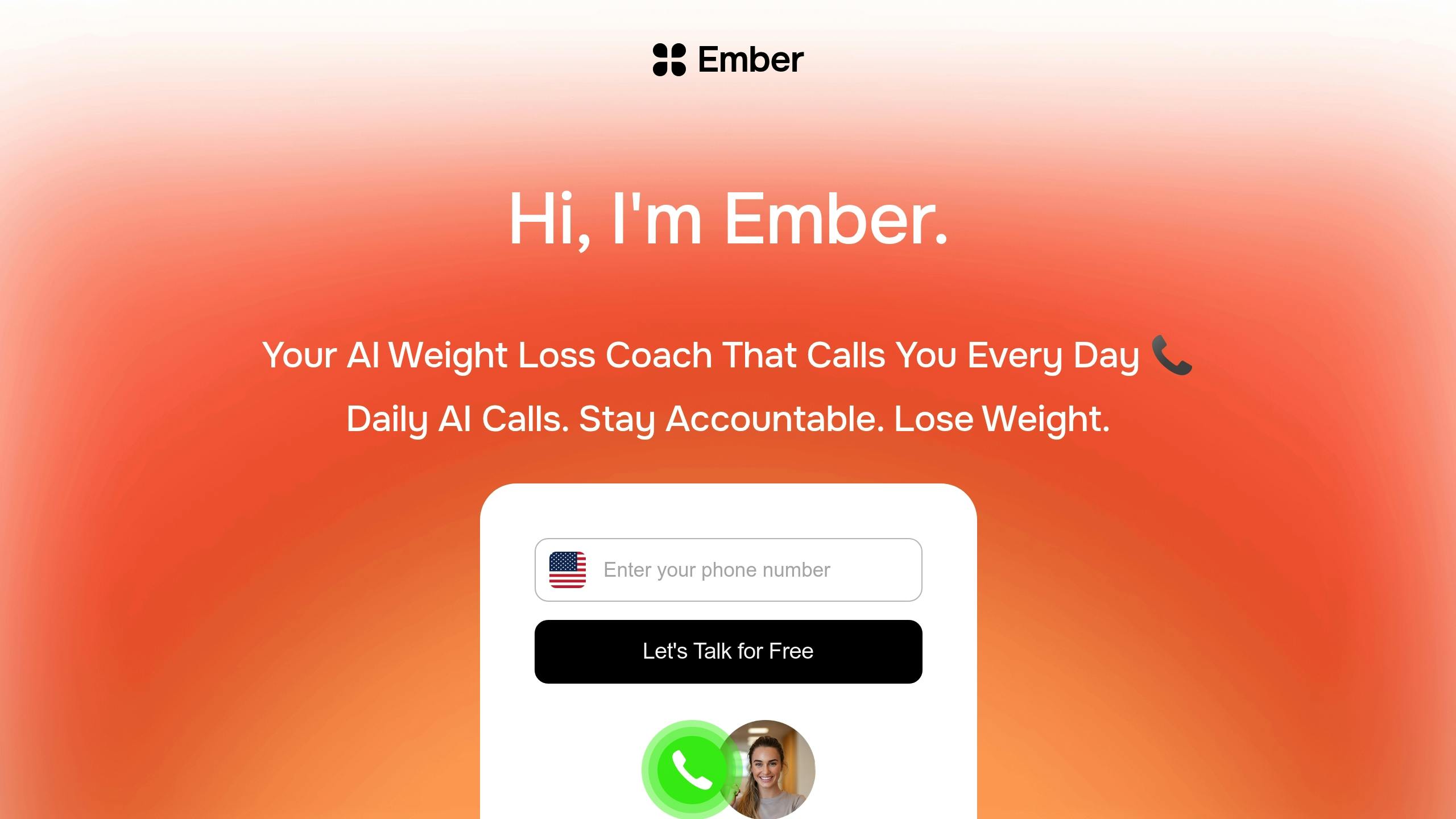
Consistency is crucial when applying cognitive behavioral strategies (CBT) for weight loss. Without regular reinforcement and accountability, even the best strategies can fall short. That’s where Ember steps in, offering personalized support to keep you on track.
Ember - Daily AI Calls for Weight Loss
Ember combines AI-powered coaching with daily phone calls to help you stay focused on your goals. These calls cover a range of essential topics, including:
- Food choices tailored to your preferences
- Exercise habits and activity levels
- Emotional challenges and how to handle them
- Tracking motivation and progress toward your goals
Ember aligns its approach with your dietary preferences, ensuring that the strategies fit seamlessly into your lifestyle.
"Because ignoring an app is easy. But try ignoring a call." - Ember
This system fosters accountability and keeps you engaged every single day.
Why Daily Check-ins Work
Regular calls from Ember do more than just remind you of your goals. They provide structured, actionable support that can make a real difference:
- Immediate Feedback: Address negative thoughts or behaviors as they arise, keeping you actively involved in your weight loss journey.
- Built-in Accountability: Scheduled calls create a routine, helping you reflect on progress and overcome setbacks with consistency.
- Help When You Need It: Facing a tough day or an emotional trigger? These calls offer timely advice to prevent stress eating and encourage healthier responses.
"Daily AI Calls. Stay Accountable. Lose Weight." - Ember
Summary
Key CBT Techniques
CBT helps reshape your mindset to support weight loss. Here are some core techniques:
- Managing Thoughts: Challenge negative self-talk, reframe unhelpful beliefs about food and body image, and set realistic expectations.
- Building Habits: Develop structured meal plans, stick to regular exercise routines, and adopt stress management practices.
- Strengthening Resilience: Learn from setbacks without self-criticism, stay motivated during tough times, and create healthy coping strategies.
Consistent support is crucial to make these techniques stick.
Support from Ember
CBT works best with daily guidance and accountability. Ember's AI-powered daily calls provide the support you need to stay on track.
As Ember puts it:
"A friendly AI on the line - one call at a time toward a healthier you."
These check-ins help by:
- Giving immediate feedback when challenges arise.
- Offering support during emotional moments.
- Keeping you accountable through regular follow-ups.